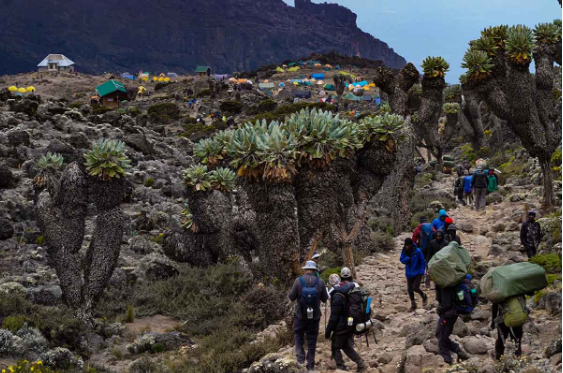
Selecting the right Kilimanjaro climbing package represents one of the most critical decisions in planning your African summit adventure. With dozens of operators offering hundreds of package variations across seven different routes, navigating your options can feel overwhelming. Understanding what distinguishes one package from another, what should be included as standard, and where premium features justify additional investment ensures you choose a climbing experience that matches your expectations, budget, and safety requirements. This comprehensive guide demystifies Kilimanjaro climbing packages, helping you make an informed decision that maximizes your chances of standing atop Africa’s highest peak.
Understanding Package Categories
Kilimanjaro climbing packages generally fall into three distinct categories: budget, mid-range, and premium. Budget packages typically cost $1,500-$2,500 and cover basic necessities including park fees, guides, porters, standard camping equipment, and simple meals. These packages often involve larger group sizes, less experienced guides, minimal safety equipment, and sometimes questionable ethical practices regarding porter treatment.
Mid-range packages, priced between $2,500-$4,000, represent where most reputable operators position themselves. These offerings include experienced guides with wilderness first aid training, quality camping equipment, varied nutritious meals, proper staff treatment adhering to ethical guidelines, adequate safety equipment including pulse oximeters and emergency oxygen, and professional support services. Most climbers find mid-range packages offer the best value proposition balancing cost with quality and safety.
Premium packages commanding $4,000-$7,000 deliver exceptional experiences with highly experienced guides possessing extensive medical training, superior camping setups with comfortable mess tents, gourmet mountain cuisine, favorable staff-to-climber ratios, comprehensive safety equipment, private portable toilets, enhanced communication systems, and sometimes luxury touches like solar charging capabilities. These packages typically achieve the highest summit success rates and customer satisfaction scores.
Standard Route Packages
Each of Kilimanjaro’s seven routes offers distinct package variations. Marangu Route packages, often called the “tourist route,” provide hut accommodation rather than camping, making them attractive to climbers preferring beds over tents. Standard five-day Marangu packages cost $1,800-$2,800, though six-day variations with better acclimatization add $300-500. The route’s popularity and infrastructure make it cost-effective, though shorter durations result in lower success rates.
Machame Route packages represent the most popular choice among experienced trekkers. Six-day packages range from $2,000-$3,200, while seven-day versions with superior acclimatization cost $2,200-$3,800. The route’s “climb high, sleep low” profile significantly improves altitude adaptation. Package inclusions typically feature quality camping equipment, experienced guides familiar with the route’s challenges, and nutritious meals supporting the demanding ascent and descent.
Lemosho Route packages offer longer, more scenic approaches across Kilimanjaro’s western slopes. Seven-day packages cost $2,400-$4,000, while eight-day variations range from $2,600-$4,500. The extended timeline allows optimal acclimatization, resulting in success rates exceeding 90 percent. Packages generally include higher-quality services given the route’s premium positioning and clientele seeking more comprehensive experiences.
Northern Circuit packages provide the longest itineraries, circumnavigating the mountain through remote, pristine terrain. Eight-day packages range from $2,800-$4,800, while nine-day versions cost $3,000-$5,200. These premium packages typically include experienced guides, superior equipment, excellent meals, and the mountain’s highest success rates. The additional days and logistical complexity justify higher prices while dramatically improving summit probabilities.
Rongai Route packages approach from the drier northern side, offering gentler gradients and fewer crowds. Six-day packages cost $2,000-$3,400, while seven-day variations range from $2,200-$3,800. Packages often emphasize the route’s unique perspective and wildlife viewing opportunities in lower elevations before the alpine ascent.
What Should Be Included in Your Package
Comprehensive Kilimanjaro packages should include numerous essential components. All Tanzania National Parks Authority fees must be covered: conservation fees, camping or hut fees, rescue fees, and entry permits totaling approximately $800-$1,100. Reputable operators clearly itemize these mandatory charges rather than hiding them in vague pricing.
Professional mountain staff represents another crucial inclusion. Packages should provide certified head guides, appropriate numbers of assistant guides based on group size, sufficient porters (typically three to four per climber), and dedicated camp cooks. Ethical packages ensure fair wages, proper equipment for staff, reasonable load limits, and adequate food provisions for the entire team.
All meals during the trek belong in standard packages, from breakfast on day one through lunch on the final descent day. Quality packages feature varied menus with fresh fruits, vegetables, proteins, and carbohydrates supporting high-altitude exertion. Purified drinking water throughout the climb should be included, with operators either boiling, filtering, or treating all water.
Camping equipment provided should encompass sleeping tents (typically two-person tents for single occupancy or shared between two climbers), mess tents for dining, toilet tents, tables, chairs, and all cooking equipment. Sleeping bags and sleeping pads are sometimes included, though many packages require climbers to bring or rent these personally.
Safety equipment must include comprehensive first aid supplies, emergency oxygen with delivery systems, pulse oximeters for monitoring blood oxygen saturation, stretchers for emergency evacuations, and communication devices. Premium packages often include backup equipment and additional oxygen supplies beyond minimum requirements.
Airport transfers on arrival and departure days should be standard, eliminating logistical stress. Many packages also include one or two nights of hotel accommodation in Moshi or Arusha before the climb, allowing rest, final preparations, and pre-climb briefings.
Package Exclusions to Anticipate
Understanding what packages typically exclude prevents budget surprises. International flights to Tanzania almost never appear in climbing packages, with travelers responsible for their own air transportation to Kilimanjaro International Airport. Similarly, travel insurance including high-altitude trekking coverage and emergency evacuation represents an additional essential expense costing $150-300.
Tanzania visa fees, currently $50-100 for most nationalities, are climber responsibilities payable upon arrival or through e-visa systems. Vaccinations and medications including altitude sickness prescriptions fall outside package coverage, typically adding $200-400 in medical preparation costs.
Tips for mountain staff, while culturally expected and ethically important, aren’t included in package prices. Budget $250-350 per climber for a seven-day trek, distributed among guides, assistant guides, porters, and cooks according to established guidelines.
Personal equipment purchases or rentals typically represent separate expenses. While some packages include sleeping bag and trekking pole rentals, most require climbers to provide their own clothing, boots, backpacks, and accessories. Rental packages when available cost $150-300 additional.
Meals and accommodation before and after the climbing period usually aren’t covered beyond the single pre-climb night some packages include. Budget accordingly for additional hotel nights and restaurant meals in Moshi or Arusha.
Private vs. Group Climbing Packages
Package structures vary significantly between private and group climbs. Private packages offer exclusive experiences with dedicated guides and staff serving only your party. This flexibility allows custom departure dates, personalized pacing, route modifications if needed, and complete privacy. However, private packages for one or two climbers cost substantially more ($800-$1,500 additional per person) since fixed costs aren’t shared across larger groups.
Group packages involve joining scheduled departures with other climbers, typically ranging from four to twelve participants. Sharing expenses significantly reduces per-person costs, making group packages the most economical option. Many climbers appreciate the camaraderie and motivation from trekking alongside others pursuing the same goal. However, groups require accommodating varied fitness levels, personalities, and preferences.
Some operators offer “semi-private” packages where small groups of four to six climbers receive more personalized attention than large groups while still benefiting from cost sharing. These often represent optimal middle ground for friends or small groups booking together.
Specialty and Custom Packages
Beyond standard offerings, specialized packages cater to specific interests and requirements. Full moon summit packages time climbs so summit night coincides with full moon illumination, creating spectacular conditions for the final ascent. These packages command premium prices due to limited availability and high demand during specific monthly windows.
Photography packages include professional mountain photographers documenting your journey, providing high-quality images capturing your achievement. These specialized offerings add $500-$800 but deliver invaluable memories and eliminate the burden of photography during physically demanding climbs.
Charity climb packages support various causes, with portions of package costs donated to organizations like schools, medical clinics, or conservation projects. These packages often include opportunities to visit supported projects before or after climbs, adding meaningful purpose to personal achievement.
Combined packages integrate Kilimanjaro climbs with safari extensions or Zanzibar beach relaxation. These comprehensive Tanzania experiences offer logistical convenience and sometimes cost savings compared to booking elements separately. Ten to fourteen-day combined packages range from $4,000-$8,000 depending on safari duration, accommodation levels, and included activities.
Add-On Options and Upgrades
Many operators offer package enhancements for additional fees. Private portable toilet rentals cost $100-150 but dramatically improve comfort and hygiene, especially valuable for those uncomfortable with basic mountain toilet facilities. This represents one of the most worthwhile upgrades available.
Extra acclimatization days can be added to standard packages, significantly improving summit success probabilities. Adding one or two days typically costs $200-300 per day, covering additional park fees, meals, and staff time. For climbers concerned about altitude adaptation, this investment proves worthwhile.
Supplementary oxygen bottles, while not typically necessary for healthy climbers, can be arranged for $100-200 per bottle. Some climbers appreciate having backup oxygen for summit night as insurance against altitude challenges.
Satellite phone or communication device rentals allow staying connected with family or handling emergencies requiring outside contact. Devices typically cost $10-15 daily rental plus usage fees, though many climbers embrace the mountain’s disconnection from modern life.
Single accommodation supplements allow solo travelers to avoid tent sharing. These upgrades cost $50-150 per person for the climb duration, providing privacy many climbers value.
Evaluating Package Value and Operator Quality
Assessing true package value requires looking beyond price alone. Research operator reputations through independent review platforms, noting patterns in feedback regarding guide quality, safety practices, food quality, and overall experience. Success rates provide important metrics, with reputable operators transparently sharing their summit achievement percentages by route.
Operator certifications and affiliations indicate commitment to standards. Look for memberships in organizations like the Kilimanjaro Porters Assistance Project (KPAP), which ensures ethical porter treatment, or affiliations with international adventure travel associations requiring adherence to safety and ethical standards.
Package transparency matters immensely. Detailed itineraries specifying daily routes, camping locations, meal plans, and included services demonstrate professionalism. Operators clearly itemizing park fees, guide credentials, safety equipment, and staff ratios inspire confidence. Vague packages with unclear inclusions often hide deficiencies in service quality or ethical practices.
Communication quality before booking predicts service during your climb. Operators responding promptly to inquiries, patiently answering questions, and providing comprehensive pre-climb information likely deliver superior on-mountain experiences. Poor communication or pressure tactics during the booking process suggest operational issues likely to surface during your climb.

Timing Your Package Booking
Booking timing affects both availability and sometimes pricing. Peak climbing seasons (June through October and January through March) see higher demand, requiring advance bookings of three to six months to secure preferred dates and routes. Last-minute availability sometimes exists but limits choices and group options.
Some operators offer modest early booking discounts of five to ten percent for climbs booked six months or more in advance. However, most maintain consistent pricing year-round. The primary advantage of early booking involves securing optimal dates, allowing adequate physical preparation time, and locking in international flight prices when more favorable.
Shoulder season climbs during April-May or November-December sometimes feature reduced package prices as operators seek to fill departures during traditionally slower periods. However, these periods coincide with rainy seasons bringing challenging conditions. Experienced climbers willing to accept weather uncertainty can find value, though success rates typically drop during these months.
Package Payment Terms and Cancellation Policies
Understanding payment structures and cancellation terms protects your investment. Standard arrangements require initial deposits of twenty to thirty percent upon booking, securing your spot and allowing operators to begin logistical arrangements. Final balances typically become due sixty to ninety days before departure, though policies vary by operator.
Payment methods differ among operators. Most accept credit cards for deposits despite processing fees, providing purchase protection and easy international transactions. Final payments often require bank transfers to avoid credit card fees on large sums. Always use traceable payment methods and verify operator legitimacy before transferring funds.
Cancellation policies generally increase in stringency as departure approaches. Cancellations beyond ninety days might forfeit only deposits, while cancellations within sixty days often lose fifty percent of total costs. Cancellations within thirty days typically result in complete payment loss, as operators have paid non-refundable park fees and committed resources.
Comprehensive travel insurance with “cancel for any reason” coverage protects against financial losses from cancellations due to illness, injury, family emergencies, or other unforeseen circumstances. Standard travel insurance typically covers only specific scenarios, while premium policies provide broader protection justified by Kilimanjaro’s substantial financial commitment.
Conclusion
Selecting the optimal Kilimanjaro climbing package requires balancing numerous factors including budget, desired comfort level, route preference, ethical considerations, and safety requirements. While package prices vary dramatically from budget offerings around $1,500 to premium experiences exceeding $6,000, the investment reflects fundamental differences in guide experience, safety provisions, equipment quality, and ethical practices rather than mere luxury preferences. The most expensive package doesn’t guarantee summit success, nor does the cheapest necessarily condemn you to failure, but packages in the mid-to-premium range consistently deliver superior experiences, higher success rates, and peace of mind regarding safety and ethics.
The key to package selection lies in identifying genuine value—choosing operators who transparently detail inclusions, maintain high ethical standards, employ experienced guides, provide comprehensive safety equipment, and achieve strong success rates. Reading beyond marketing materials to independent reviews, verifying certifications, and asking detailed questions about specific package components reveals true quality. Remember that Kilimanjaro represents a once-in-a-lifetime adventure for most climbers; choosing packages based primarily on price rather than value risks compromising the very experience you’re investing thousands of dollars and months of preparation to achieve.
Key Takeaways
- Package categories range from $1,500 to $7,000: Budget, mid-range, and premium packages offer progressively better services, safety, and success rates
- Longer routes cost more but succeed more: Eight to nine-day packages have higher prices but deliver 90%+ summit success versus 50-60% on shorter routes
- Standard inclusions are essential: All park fees, experienced guides, adequate porters, quality meals, camping equipment, and safety gear should be included
- Private packages cost $800-$1,500 more per person: Exclusive experiences require absorbing full fixed costs without group cost-sharing benefits
- Group packages offer best value: Scheduled departures divide expenses across multiple climbers, significantly reducing per-person costs
- Transparency indicates quality: Operators clearly detailing inclusions, itemizing fees, and sharing success rates demonstrate professionalism and confidence
- Ethical treatment matters: KPAP-affiliated operators ensure fair porter wages and proper working conditions, justifying higher prices
- Book three to six months ahead for peak season: Advance reservations secure preferred dates, routes, and adequate preparation time

